
Sarah Ford
SPLC lawsuit: Tennessee deprives residents of Medicaid coverage
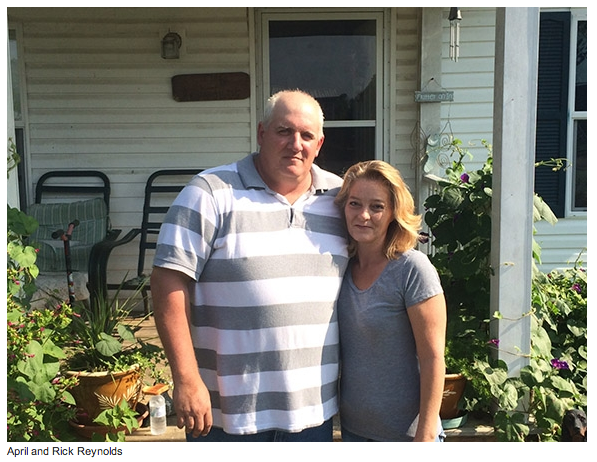
Earlier this year, a high blood pressure episode put April Reynolds in the hospital. In fact, doctors told the mother of three that she could have died if she had waited any longer to seek medical treatment.
Reynolds put off going to the hospital because she didn’t have a way to pay for medical treatment. She had been trying to get coverage through Tennessee’s Medicaid program, but the state’s policies have deprived thousands of people like her the coverage they need even though they are eligible.
Now, Reynolds owes $20,000 in medical bills and needs monthly checkups. But she has been to the doctor only once since the episode because she’s afraid of accruing more debt.
Today, the SPLC filed a federal class action lawsuit against Tennessee for adopting policies that break its decades-old promise of health care to Reynolds and other vulnerable residents.
Get Resources and Insights Straight To Your Inbox
Explore More Articles
Corporate Volunteering: The Business Case for an Employee Volunteer Program
Corporate volunteering has evolved well beyond the occasional company service day. A well-designed employee volunteer program can strengthen employee engagement, reinforce company culture, develop leadership skills,…

Environmental Awareness Month
Every September, environmental organizations around the Nation come together in recognition of Environmental Awareness Month, with a goal to raise awareness about environmental issues that…

Join Feeding America and Take Action During Hunger Action Month
No one should have to go hungry in the richest country in the world — yet millions of Americans don’t have enough to eat. Our…
Get Resources and Insights Straight To Your Inbox
Receive our monthly/bi-monthly newsletter filled with information about causes, nonprofit impact, and topics important for corporate social responsibility and employee engagement professionals, including disaster response, workplace giving, matching gifts, employee assistance funds, volunteering, scholarship award program management, grantmaking, and other philanthropic initiatives.