
Sarah Ford
The FBI has no idea how many hate crimes happen in America each year
By J. Richard Cohen
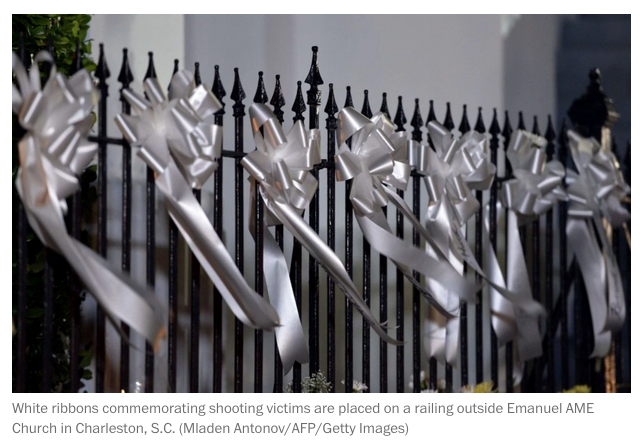
A white man and apartheid admirer walked into a black church Wednesday night and killed nine people. He reportedly said he had “to do it” because black people “rape our women” and are “taking over our country.”
The violent attack against Emanuel AME Church in Charleston, S.C., is an obvious hate crime, one that will, presumably, get reported to the FBI.
The vast majority of hate crimes, though, don’t. Our national system of collecting and reporting this data is disturbingly inadequate, overlooking most hate crimes each year. This underreporting is a problem because, lacking an understanding of the scope of the problem, law enforcement agencies and communities are less likely to devote the sustained resources and training needed to prevent and solve hate crimes.
According to the FBI’s most recent annual hate crime report, which is based on voluntary reporting by law enforcement agencies across the country, there were 5,928 hate crimes in 2013. In South Carolina, the FBI report says, there were 51. Those numbers vastly underestimate the problem, according to the Department of Justice’s Bureau of Statistics.
Get Resources and Insights Straight To Your Inbox
Explore More Articles
Corporate Volunteering: The Business Case for an Employee Volunteer Program
Corporate volunteering has evolved well beyond the occasional company service day. A well-designed employee volunteer program can strengthen employee engagement, reinforce company culture, develop leadership skills,…

Environmental Awareness Month
Every September, environmental organizations around the Nation come together in recognition of Environmental Awareness Month, with a goal to raise awareness about environmental issues that…
Join Feeding America and Take Action During Hunger Action Month
No one should have to go hungry in the richest country in the world — yet millions of Americans don’t have enough to eat. Our…
Get Resources and Insights Straight To Your Inbox
Receive our monthly/bi-monthly newsletter filled with information about causes, nonprofit impact, and topics important for corporate social responsibility and employee engagement professionals, including disaster response, workplace giving, matching gifts, employee assistance funds, volunteering, scholarship award program management, grantmaking, and other philanthropic initiatives.