
Sarah Ford
New Report Recommends Classifying Cancer by Genetic and Molecular Type
(August 21, 2014) A research network in the US proposes that cancer should be classified according to genetic and molecular features rather than by the type of tissue in which the tumor arises. While more work is needed to confirm and build on the findings, the scientists say such a system would be better for patients because it would help tailor treatment to their individual needs. The findings were published this month in Cell.
This latest study found even across tissue types (for instance, breast, bladder and kidney), what we currently regard as different cancers have tumors that are more similar at the molecular and genetic level than at the tissue level.
or the study, the scientists compared the DNA, RNA and proteins of 3,527 specimens of 12 different tumor types by analyzing them with six different “platform technologies.” The results showed…
Get Resources and Insights Straight To Your Inbox
Explore More Articles
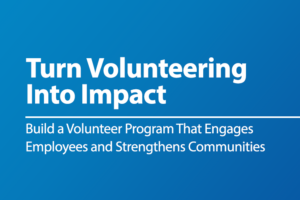
Corporate Volunteering: The Business Case for an Employee Volunteer Program
Corporate volunteering has evolved well beyond the occasional company service day. A well-designed employee volunteer program can strengthen employee engagement, reinforce company culture, develop leadership skills,…

Environmental Awareness Month
Every September, environmental organizations around the Nation come together in recognition of Environmental Awareness Month, with a goal to raise awareness about environmental issues that…

Join Feeding America and Take Action During Hunger Action Month
No one should have to go hungry in the richest country in the world — yet millions of Americans don’t have enough to eat. Our…
Get Resources and Insights Straight To Your Inbox
Receive our monthly/bi-monthly newsletter filled with information about causes, nonprofit impact, and topics important for corporate social responsibility and employee engagement professionals, including disaster response, workplace giving, matching gifts, employee assistance funds, volunteering, scholarship award program management, grantmaking, and other philanthropic initiatives.