
Sarah Ford
Medical Research Should Be Everyone’s Priority
By Paul Melmeyer
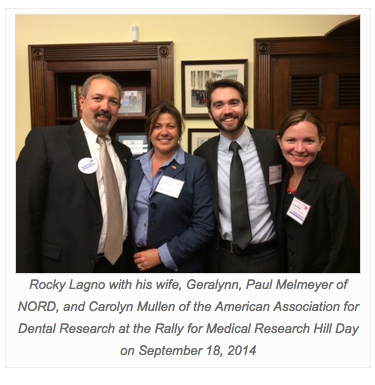
It’s truly amazing to hear everyone’s unique personal story on why medical research is important to them. Whether it’s a parent whose son or daughter is living with a rare disease, a grandparent who has an incurable degenerative disease or a wife or husband whose spouse is battling cancer, everyone’s life in one way or another has been touched by a serious disease without a cure.
This fact makes the following statistics even more baffling. Over the last ten years, the National Institutes of Health (NIH) has received stagnant funding, resulting in the NIH losing nearly 25% of its purchasing power to inflation. Budget cuts in 2013 resulted in 750 fewer patients admitted to the NIH Clinical Center, and 640 fewer competitive grants were awarded. These trends are forcing young researchers to rethink their career path in the U.S. After all, the NIH can only accept one-sixth of grant applications due to funding shortfalls, compared to one-third of applications before this downward trend started.
Get Resources and Insights Straight To Your Inbox
Explore More Articles
Corporate Volunteering: The Business Case for an Employee Volunteer Program
Corporate volunteering has evolved well beyond the occasional company service day. A well-designed employee volunteer program can strengthen employee engagement, reinforce company culture, develop leadership skills,…

Environmental Awareness Month
Every September, environmental organizations around the Nation come together in recognition of Environmental Awareness Month, with a goal to raise awareness about environmental issues that…

Join Feeding America and Take Action During Hunger Action Month
No one should have to go hungry in the richest country in the world — yet millions of Americans don’t have enough to eat. Our…
Get Resources and Insights Straight To Your Inbox
Receive our monthly/bi-monthly newsletter filled with information about causes, nonprofit impact, and topics important for corporate social responsibility and employee engagement professionals, including disaster response, workplace giving, matching gifts, employee assistance funds, volunteering, scholarship award program management, grantmaking, and other philanthropic initiatives.